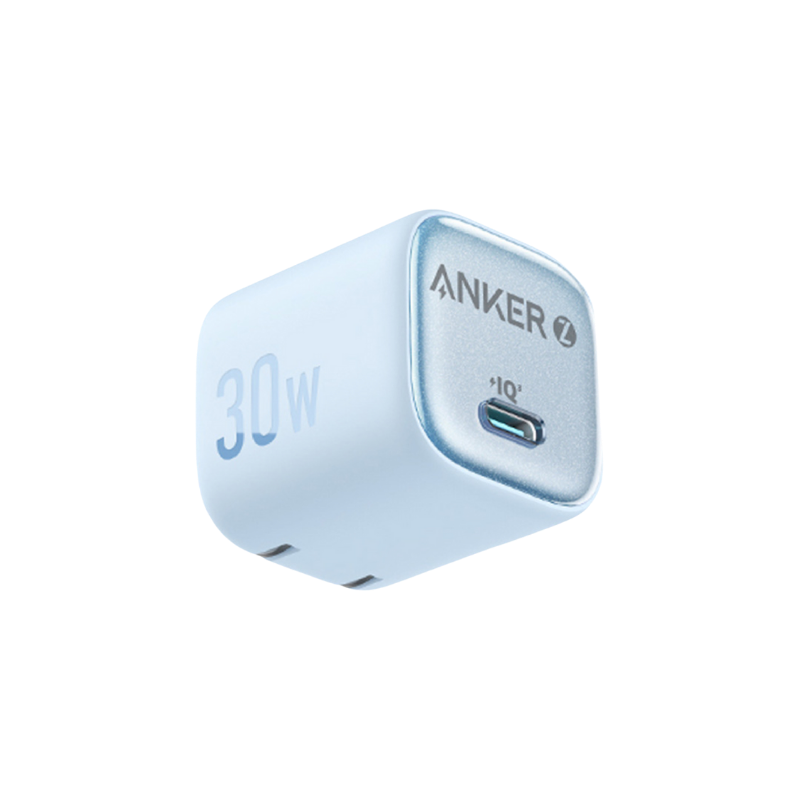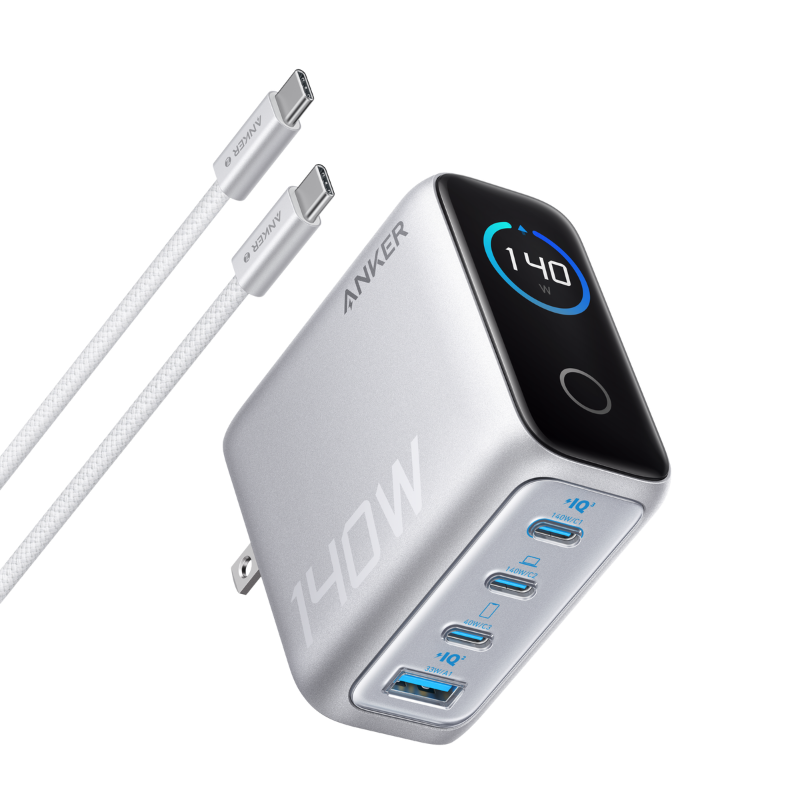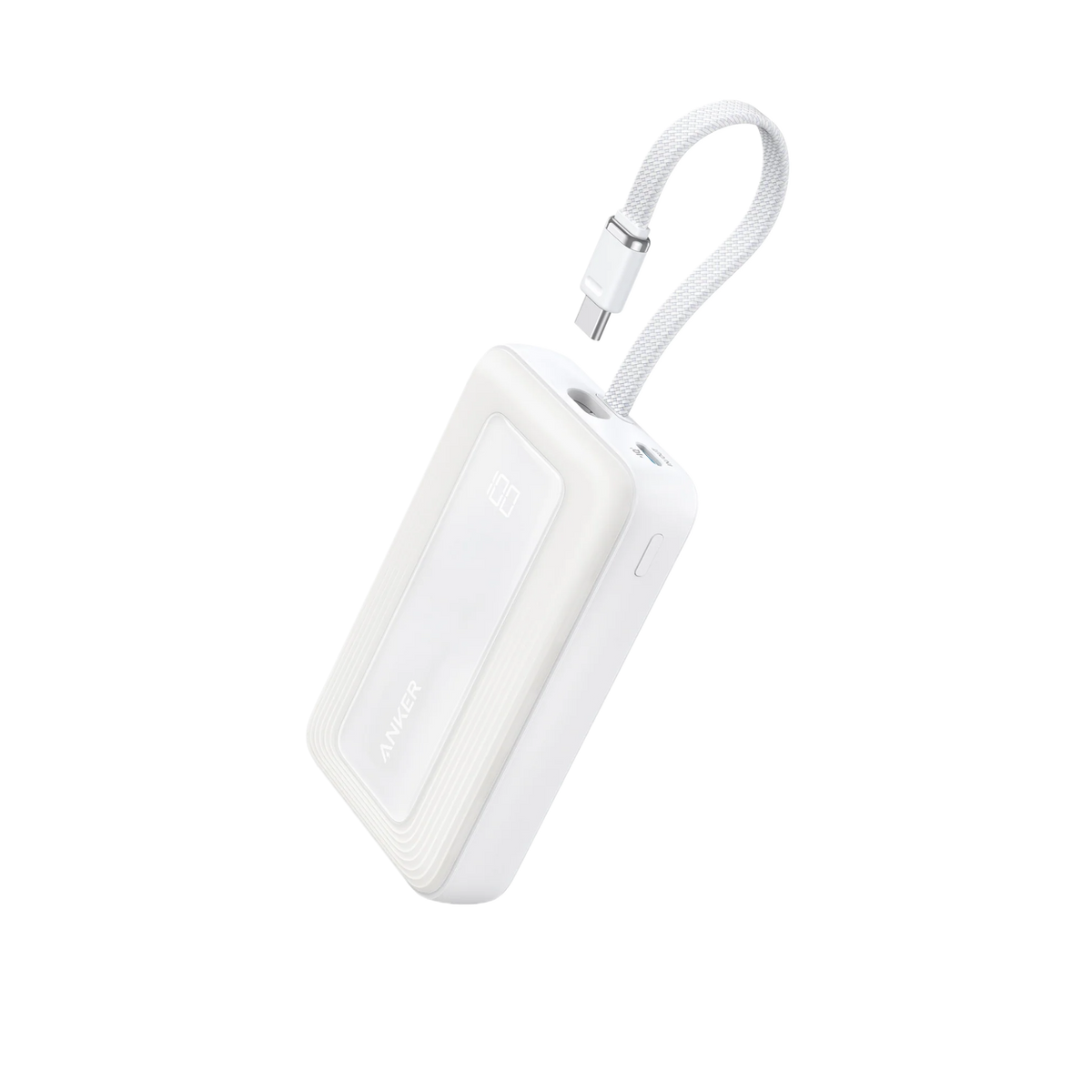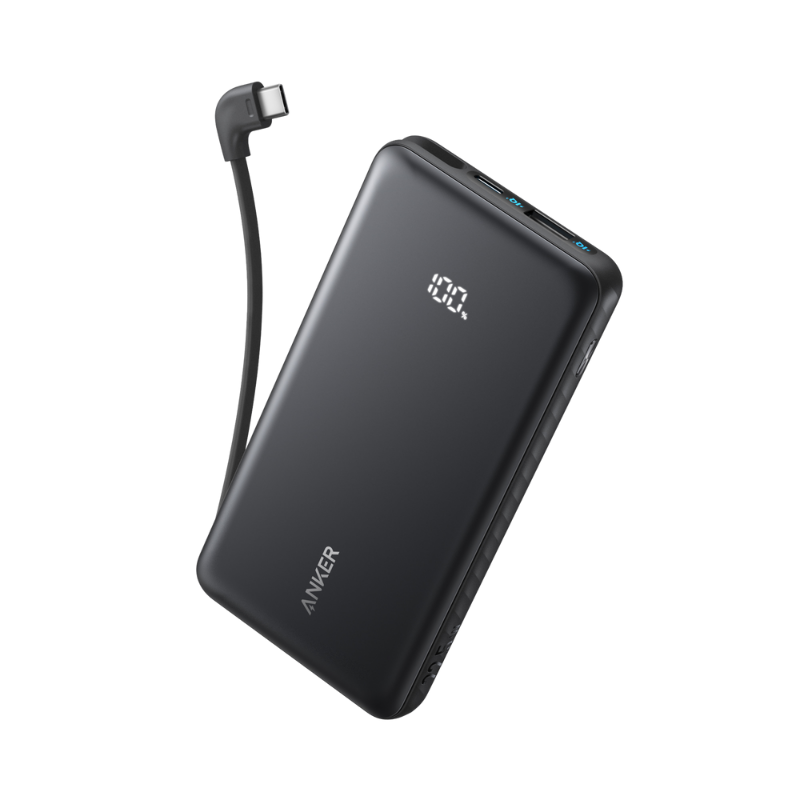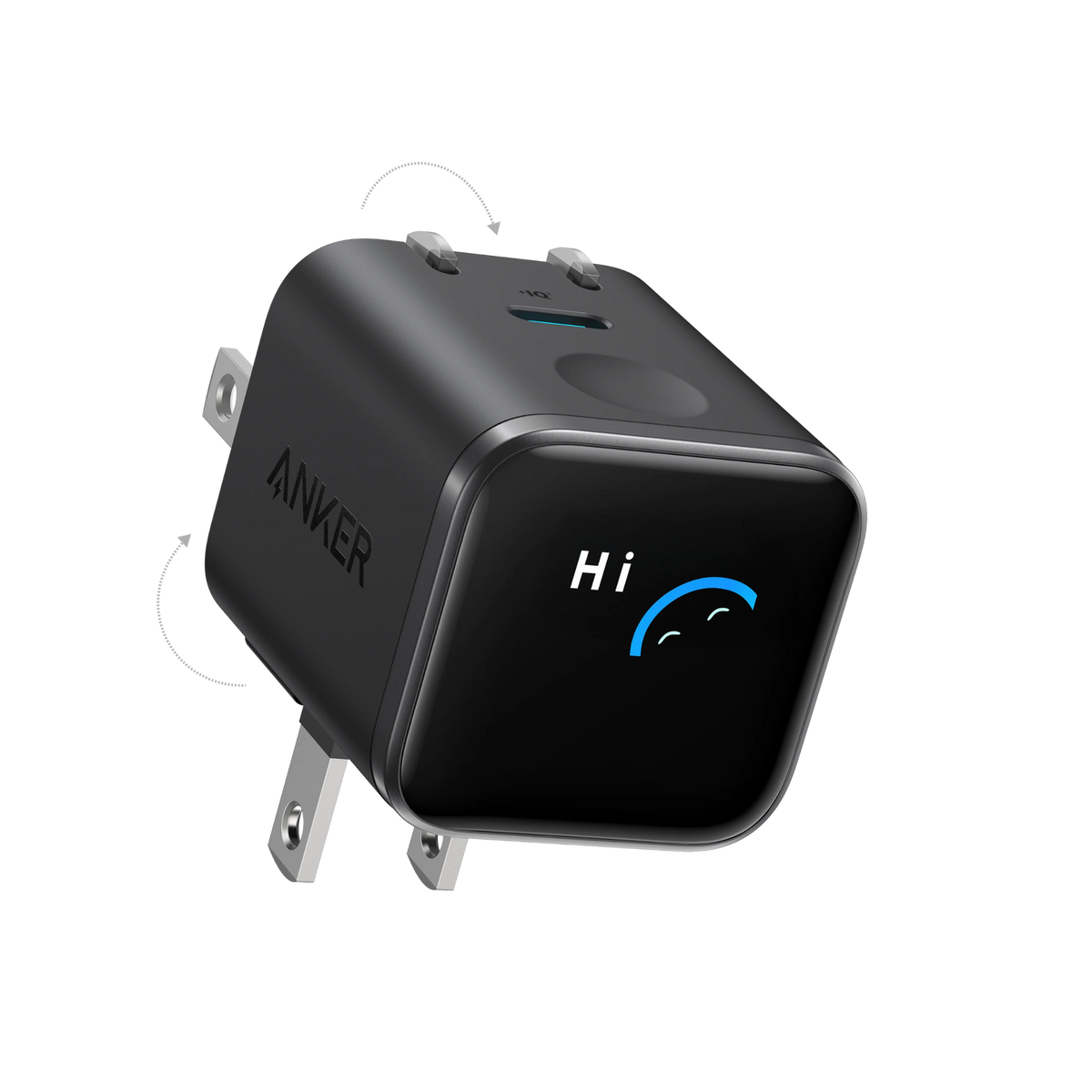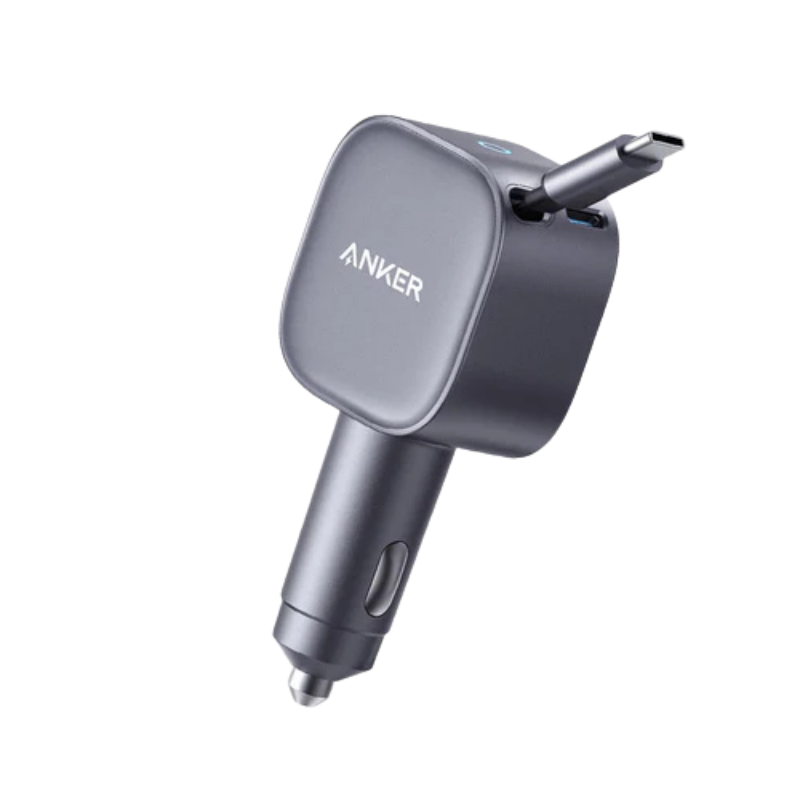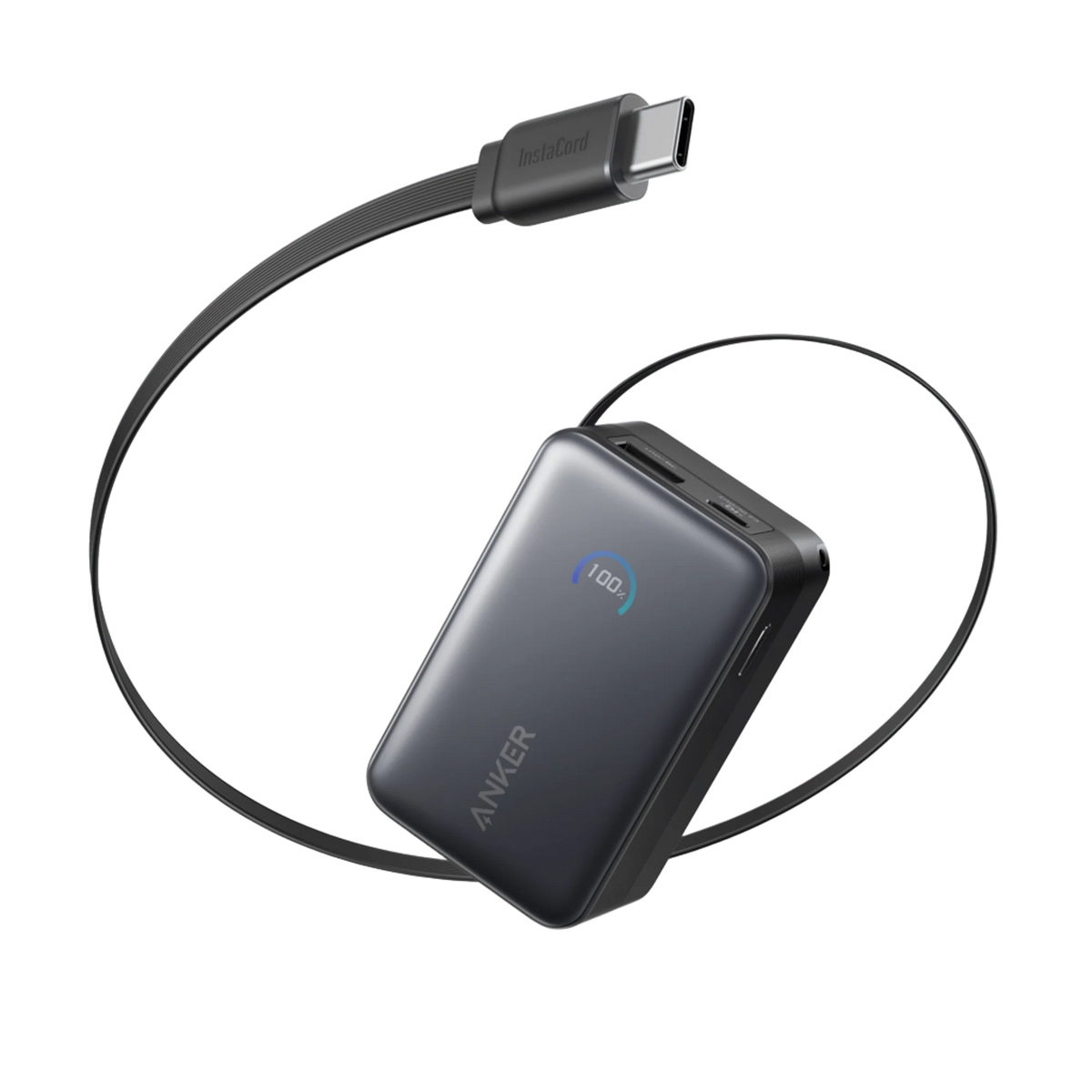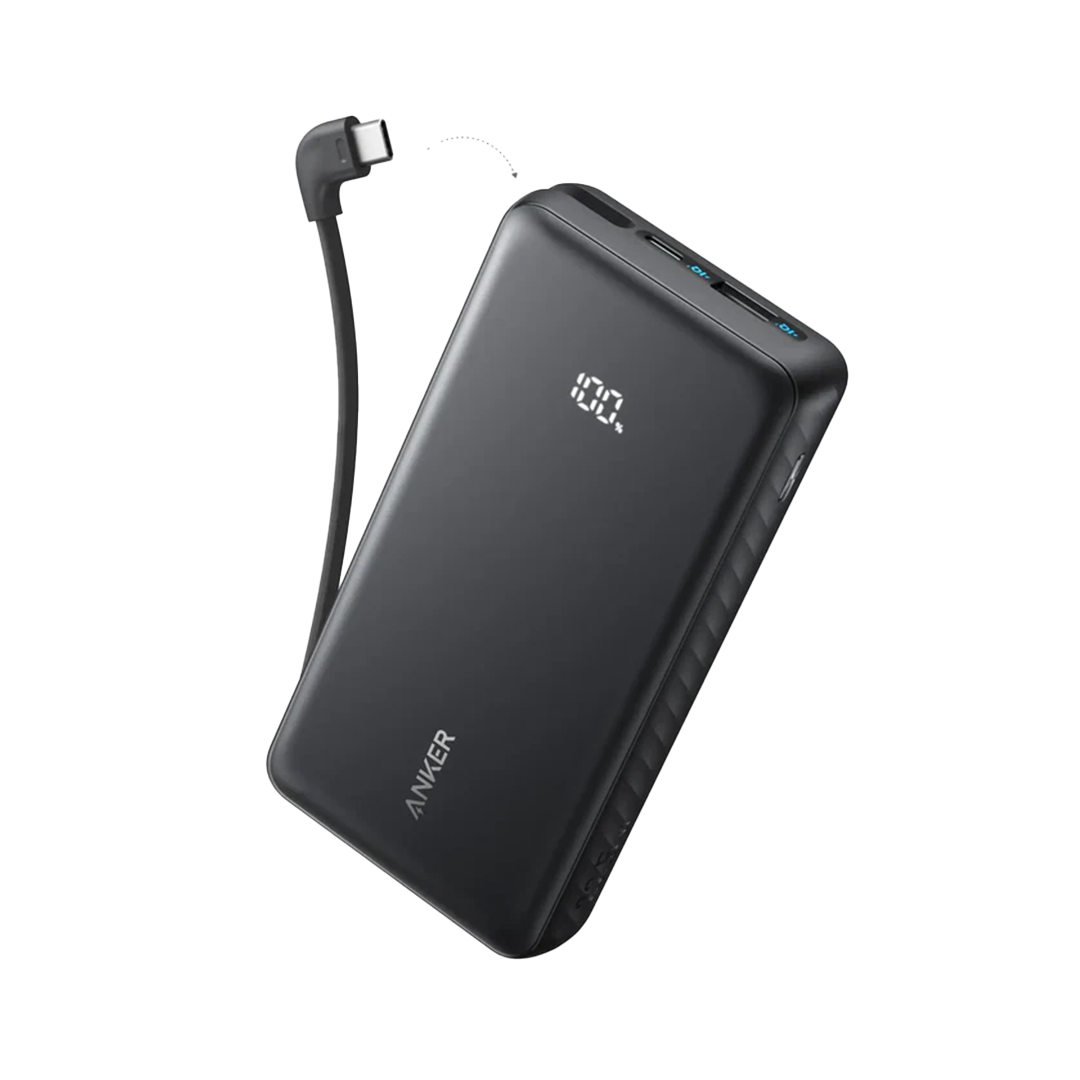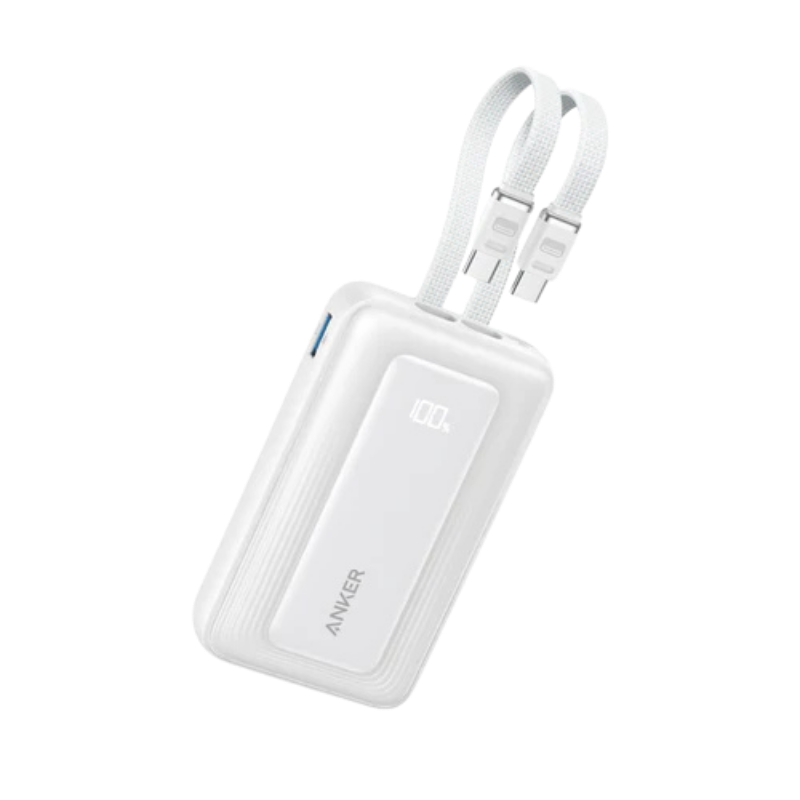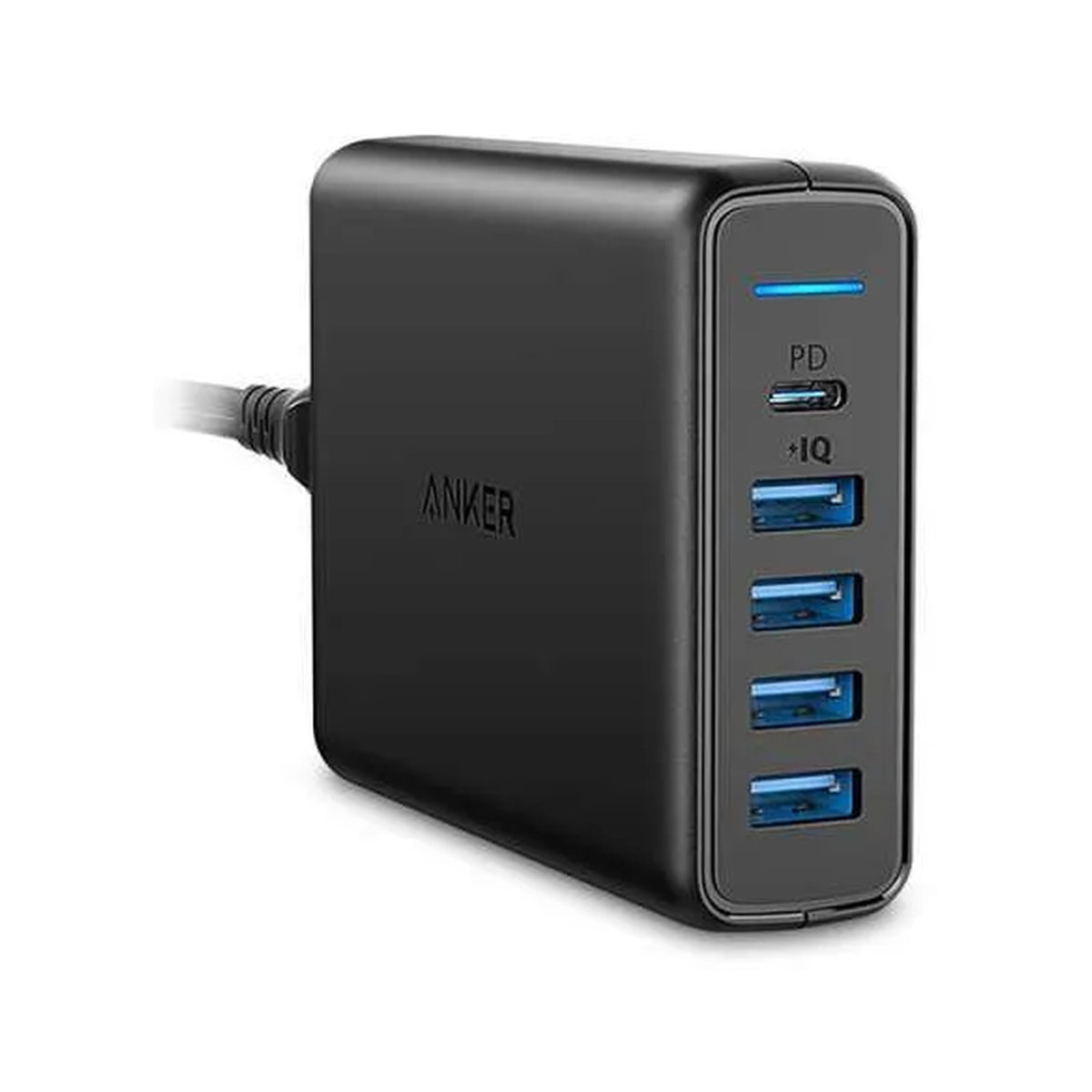
Anker products often feature proprietary technologies like GaN (Gallium Nitride) and PowerIQ. These allow the chargers to be significantly smaller and run cooler than standard silicon chargers while delivering much higher wattages for phones, tablets, and laptops.
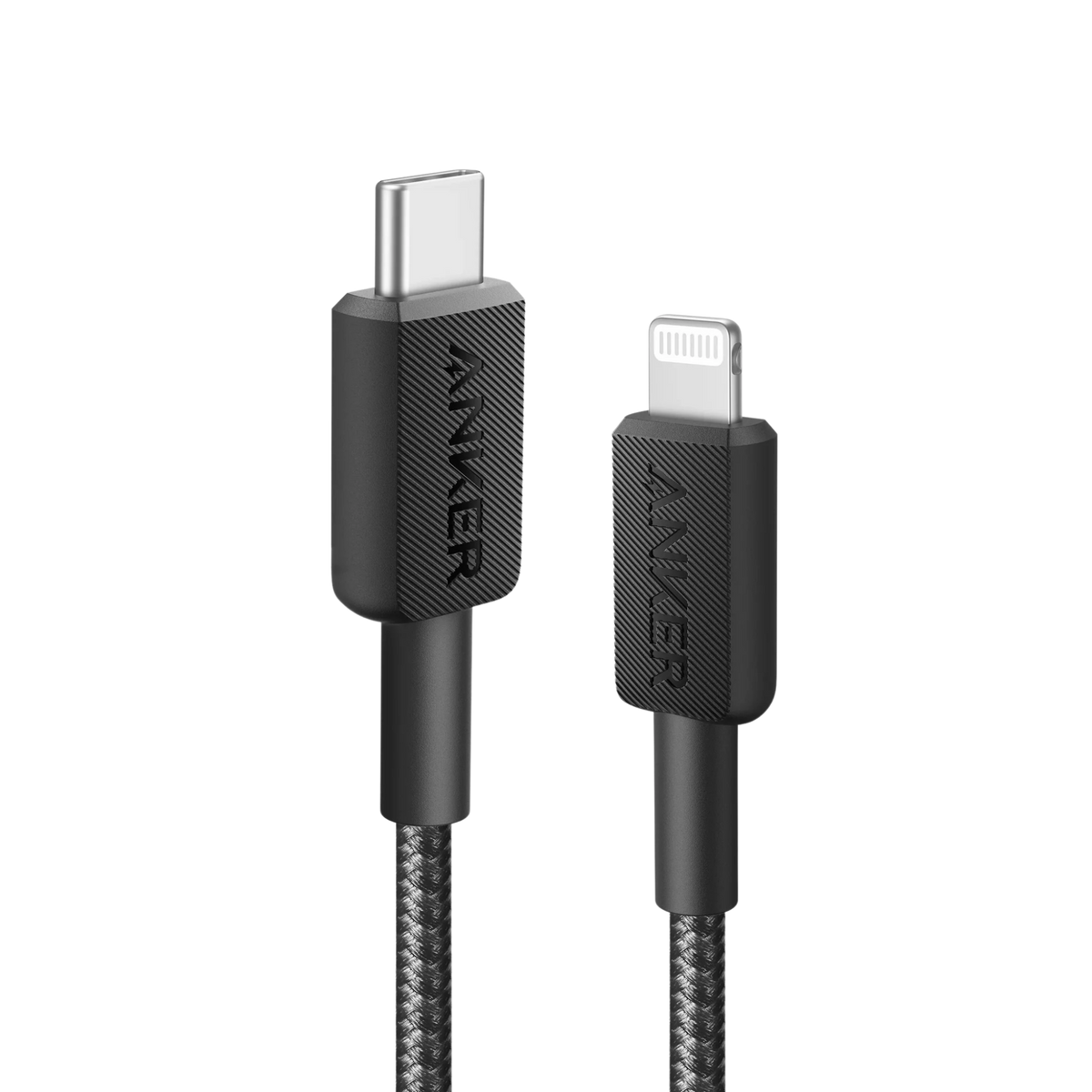
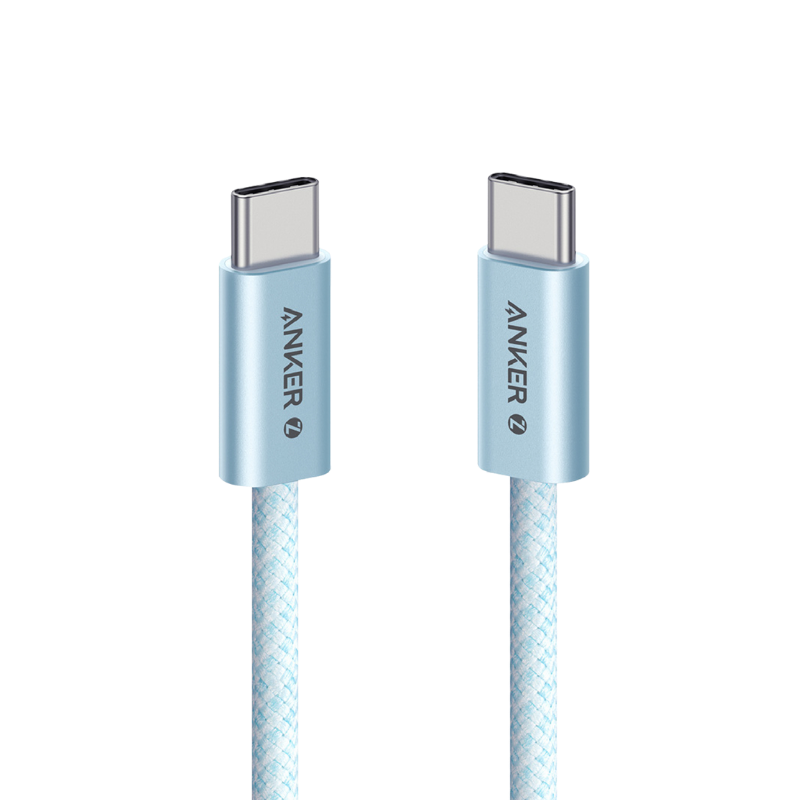
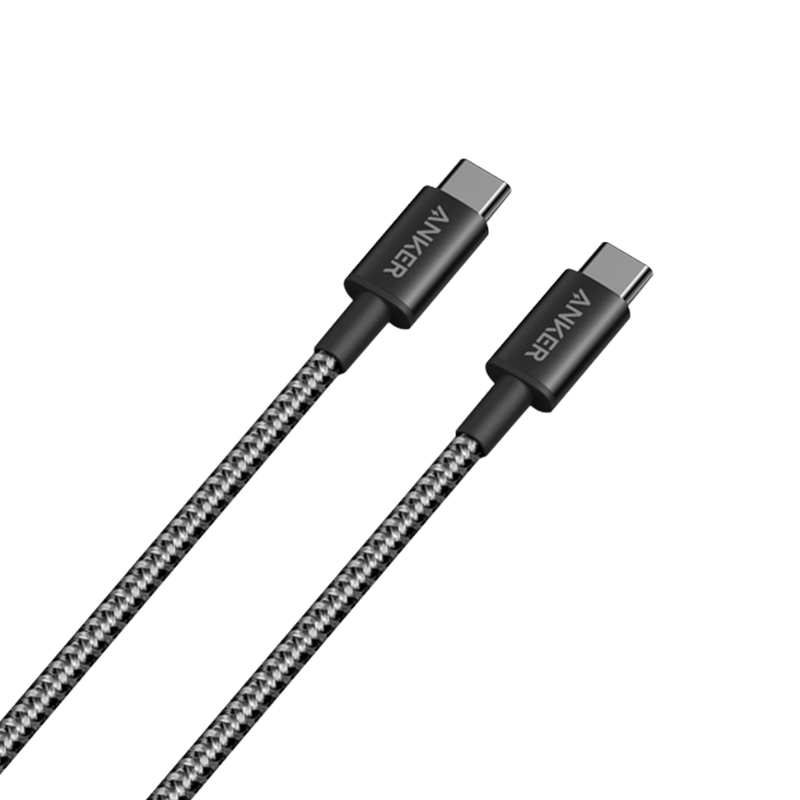
For the latest iPhone 15/16 and most Android devices, you’ll want a USB-C to USB-C cable. For older iPhones, look for USB-C to Lightning. Anker’s cables are categorized by durability, with the braided nylon versions offering the best resistance against fraying and internal wire damage.
Yes, many of the multi-port wall chargers and desktop stations are designed with intelligent power allocation. This means the charger "talks" to your devices to determine which one needs the most power, safely distributing wattage between a laptop, a smartphone, and smaller accessories like earbuds.
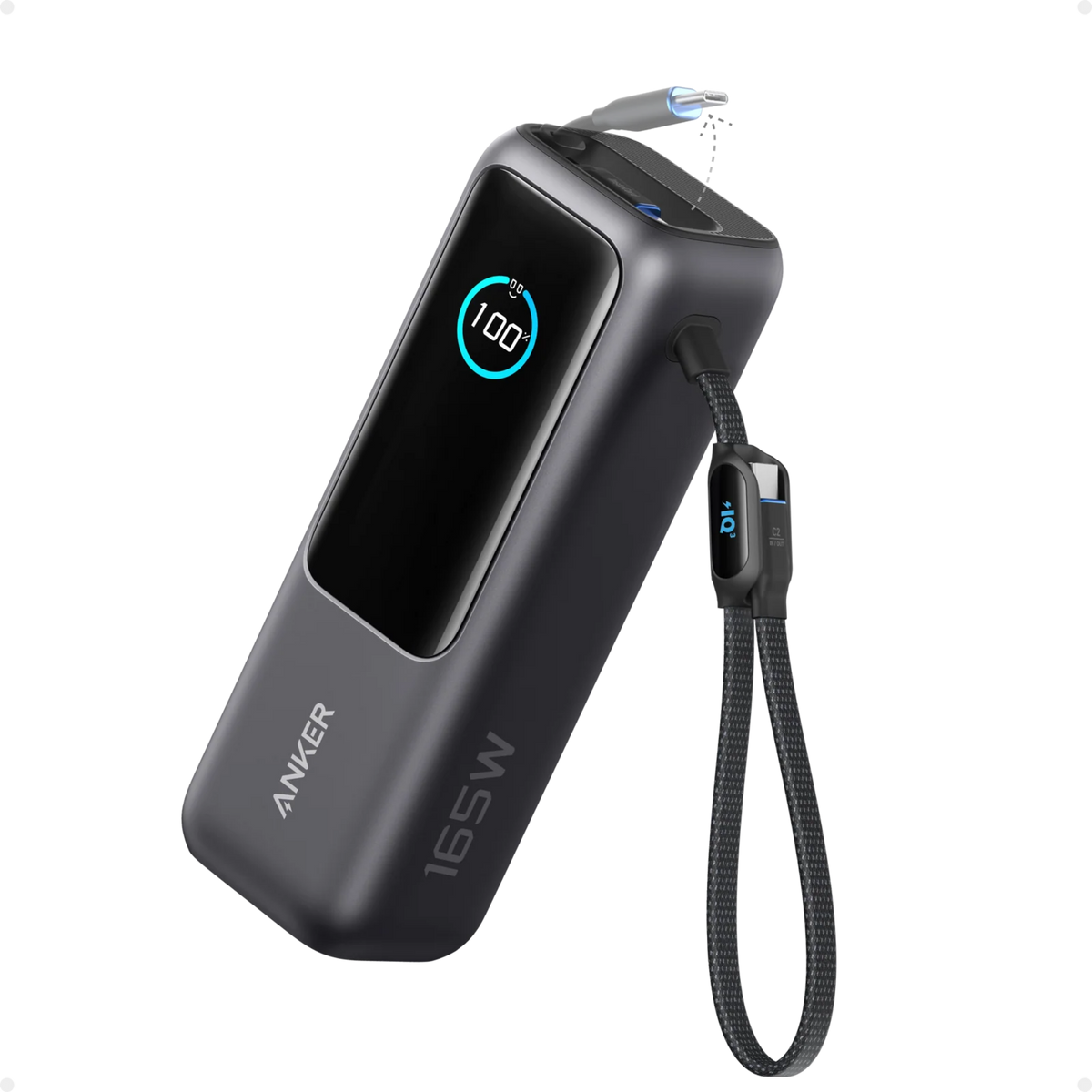
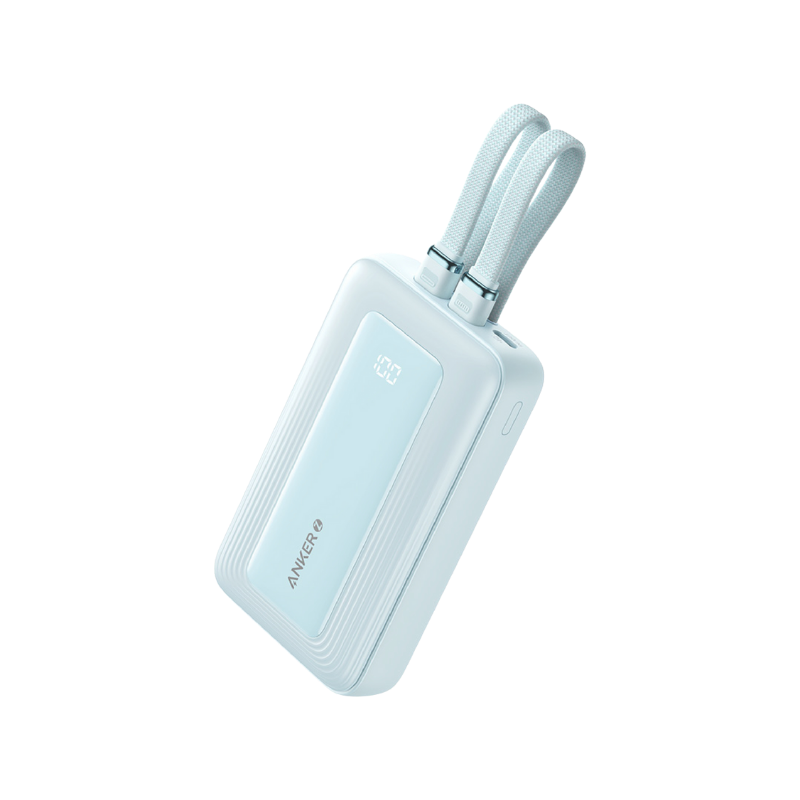
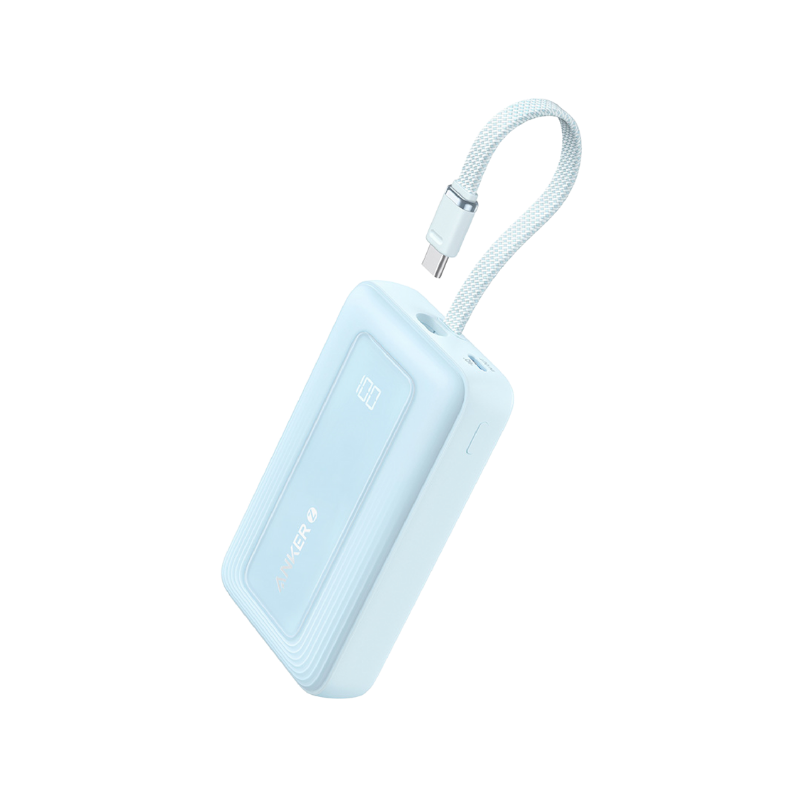
Most Anker power banks are designed to meet international aviation safety standards. Generally, batteries with a capacity under 100Wh (roughly 27,000mAh) are permitted in carry-on luggage. Always check the specific Watt-hour rating printed on the bottom of your device before flying.
Beyond standard wall bricks, the collection includes Charging Stations and Hubs that consolidate your power needs. By using a single hub with multiple USB ports and AC outlets, you can eliminate the need for several different wall plugs and keep your workspace clean and efficient.